
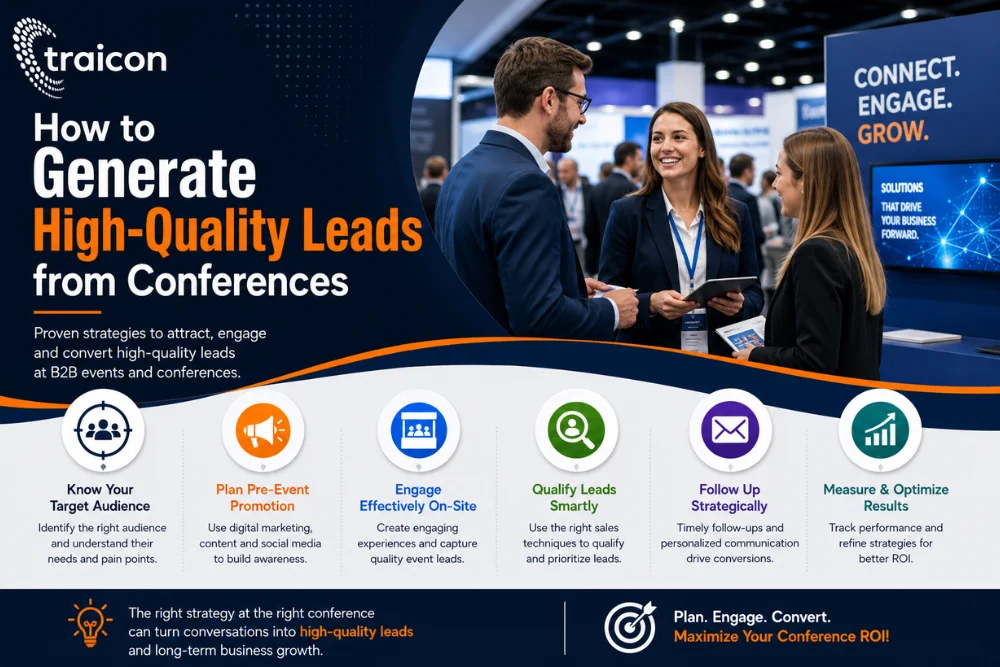
Sponsoring a business event is one of the most effective ways for organizations to increase visibility, generate qualified leads, and strengthen industry relationships. Whether it is a conference, summit, exhibition, or networking forum, strategic sponsorship can deliver measurable returns when executed correctly.
Many companies invest significant budgets in sponsorship for events but fail to achieve their desired outcomes due to a lack of planning and clear objectives. To maximize return on investment (ROI), businesses must align their sponsorship activities with broader goals such as brand management, brand promotion, lead generation, and business networking.
This guide explores proven strategies to help organizations maximize ROI from sponsoring a business event while leveraging effective event management and event planning practices.
Why Sponsoring a Business Event Matters
Business events provide direct access to decision-makers, industry experts, potential customers, and strategic partners. Unlike traditional advertising channels, event sponsorship creates opportunities for face-to-face engagement and meaningful conversations.
Key benefits include:
- Enhanced brand visibility
- Stronger brand management efforts
- Improved brand promotion opportunities
- Increased lead generation
- Better business networking outcomes
- Access to targeted audiences
- Stronger market positioning
When combined with effective marketing strategies, sponsorship can become a powerful growth driver for businesses of all sizes.
Define Clear Sponsorship Objectives Before Investing
One of the biggest mistakes organizations make is sponsoring events without establishing measurable goals.
Identify Your Primary Business Goals
Before selecting an event, determine whether your objective is lead generation, brand awareness, product launches, customer retention, industry networking, or strategic partnerships. Clear objectives allow you to measure success accurately and optimize your sponsorship investment.
- Lead generation
- Brand awareness
- Product launches
- Customer retention
- Industry networking
- Strategic partnerships
Select the Right Event for Your Target Audience
Not every event delivers the same value. Choosing the right platform is critical for maximizing ROI.
Evaluate Audience Relevance
Analyze the event audience carefully to ensure alignment with your target market and business objectives.
- Industry focus
- Attendee demographics
- Job titles and decision-making authority
- Geographic reach
- Historical attendance numbers
Events that attract your ideal customers typically provide better ROI than larger events with broad audiences.
Integrate Sponsorship into Your Marketing Strategies
Many organizations limit sponsorship efforts to event days alone. The most successful sponsors begin promotion weeks before the event.
Pre-Event Marketing Activities
Promote your participation through multiple channels to increase awareness, booth traffic, and meeting opportunities.
- Email campaigns
- Social media marketing
- Press releases
- Blog content
- Paid advertising
- Partner outreach
Pre-event awareness significantly improves attendee engagement and lead generation opportunities.
Strengthen Business Networking Opportunities
One of the most valuable outcomes of sponsorship for events is relationship building.
Focus on Quality Connections
Rather than collecting large volumes of contacts, prioritize meaningful conversations with high-value stakeholders who can contribute to long-term business growth.
- Decision-makers
- Potential clients
- Strategic partners
- Industry leaders
High-quality connections often lead to stronger business outcomes and higher sponsorship ROI.
Common Sponsorship Mistakes to Avoid
Organizations should avoid common mistakes that reduce sponsorship effectiveness and limit business impact.
- Sponsoring irrelevant events
- Setting unclear objectives
- Neglecting pre-event promotion
- Poor lead management
- Weak post-event follow-up
- Inconsistent branding
- Insufficient ROI tracking
Avoiding these mistakes helps maximize sponsorship effectiveness and ensures better returns from event investments.
Conclusion
Maximizing ROI from sponsoring a business event requires more than simply displaying a company logo. Success comes from strategic event planning, effective event management, targeted audience engagement, and strong follow-up processes.
By focusing on clear objectives, leveraging sponsorship for events effectively, strengthening brand management initiatives, enhancing brand promotion efforts, and prioritizing business networking and industry networking opportunities, organizations can transform event sponsorship into a powerful growth strategy.
Companies that integrate sponsorship into their broader marketing strategies and work closely with experienced event organizing services are more likely to generate qualified leads, increase brand visibility, and achieve measurable business results from every event investment.





 Chat on WhatsApp