

Attending the right business conference can create valuable opportunities for professional growth, industry knowledge, and meaningful connections. Whether you are considering a business meeting, networking event, international conference, or world conference, choosing the right event requires more than simply looking at the location or speaker list.
A well-selected corporate event can help you build professional relationships, identify new business opportunities, understand emerging trends, and stay competitive in a changing market. From digital transformation and artificial intelligence to industry-specific innovation, conferences bring together professionals who can influence your career and business decisions.
This guide explains how to choose the right conference to attend, evaluate its potential business value, and make the most of the networking opportunities available.
Why Choosing the Right Business Conference Matters
Not every conference will match your professional goals. Some events focus on education and industry insights, while others are designed primarily for business development, networking, investment, technology, or leadership. Choosing the right business conference helps you make better use of your time, budget, and professional network.
The right conference can help you:
• Build valuable professional connections
• Meet potential clients, partners, and investors
• Understand emerging industry trends
• Gain practical knowledge from industry experts
• Identify new business opportunities
• Strengthen your professional network
• Stay updated on digital transformation and emerging technologies
• Improve your industry visibility
The best event should provide value beyond attending presentations. It should connect you with people, ideas, technologies, and opportunities that support your professional objectives.
1. Define Your Purpose Before You Attend a Conference
Before registering for an event, identify exactly what you want to achieve. Are you looking for new clients? Do you want to meet industry leaders? Are you searching for technology solutions or business partners? Or do you want to understand where your industry is heading?
Your goal should influence the type of conference you select. For example, a sales professional may benefit from a networking event with decision-makers, while a technology leader may prefer an international conference focused on innovation, artificial intelligence, cybersecurity, or digital transformation.
Consider setting two or three specific goals, such as:
• Meeting five potential business contacts
• Finding new technology partners
• Understanding current market trends
• Connecting with senior industry professionals
• Identifying potential investment opportunities
Clear goals make it easier to determine whether a conference is worth your time and investment and give you a measurable way to evaluate the event afterward.
2. Choose a Conference Relevant to Your Industry
Relevance is one of the most important factors when selecting a conference. Look at the event theme, agenda, speakers, exhibitors, sponsors, and expected audience. A conference should attract professionals who are relevant to your industry, role, or business objectives.
For example, professionals working in technology may benefit from conferences covering AI, cybersecurity, cloud computing, data centers, fintech, or digital transformation. HR professionals may prefer events focused on workforce strategy, HR technology, employee experience, and leadership.
A relevant conference increases the likelihood of finding valuable networking opportunities and having conversations that can continue long after the event ends.
3. Evaluate Speakers, Topics, and the Conference Agenda
Review the speaker lineup and agenda before you register. Look for sessions covering current industry challenges, emerging technologies, market trends, and practical strategies that align with your goals.
Topics such as digital transformation, artificial intelligence, cybersecurity, fintech, sustainability, business innovation, and leadership can provide valuable insights when they are relevant to your organization or career.
Also consider the quality and experience of the speakers. Industry executives, subject-matter experts, entrepreneurs, investors, and technology leaders can provide perspectives that are difficult to gain through online research alone.
4. Look Beyond the Main Conference Sessions
A good conference is about more than presentations. Informal conversations, panel discussions, workshops, exhibitions, networking sessions, roundtables, and scheduled meetings can create some of the most valuable connections at a business event.
Use practical networking tips such as:
• Prepare a short professional introduction.
• Research important attendees and companies beforehand.
• Identify people you want to meet before arriving.
• Ask meaningful questions instead of immediately promoting your business.
• Exchange contact information with relevant connections.
• Follow up after the event while the conversation is still fresh.
These simple actions can turn a conference visit into long-term professional relationships and potential business opportunities.
5. Check the Business Value and Expected ROI
Before deciding to attend, compare the total cost with the potential return. Consider registration fees, travel, accommodation, meals, and the time you will spend away from regular work.
Then evaluate the potential benefits, including new leads, partnerships, customer relationships, knowledge, brand exposure, market intelligence, and investment opportunities. For companies, a well-selected corporate event can support business development while strengthening relationships with customers, suppliers, investors, and industry partners.
You should also consider whether the conference provides opportunities to meet decision-makers rather than only general attendees. A smaller event with a highly relevant audience can sometimes deliver more business value than a large conference with a broader audience.
6. Research the Audience and Attendee Profile
The people attending a conference are just as important as the speakers. Review the industries, job titles, companies, and professional backgrounds represented at the event.
If your objective is business development, prioritize conferences where you are likely to meet decision-makers, potential customers, partners, investors, or other professionals who can contribute to your goals. A strong attendee profile can significantly increase the value of networking opportunities.
7. Consider Location, Format, and Timing
Location and timing can affect the overall value of attending a conference. Consider travel requirements, accommodation costs, event duration, and whether the schedule allows enough time for networking.
Also evaluate whether an in-person, virtual, or hybrid conference is more appropriate for your objectives. In-person events generally provide stronger opportunities for face-to-face networking, while virtual and hybrid events can make it easier to access international speakers and audiences with lower travel costs.
8. Make Your Conference Attendance Count
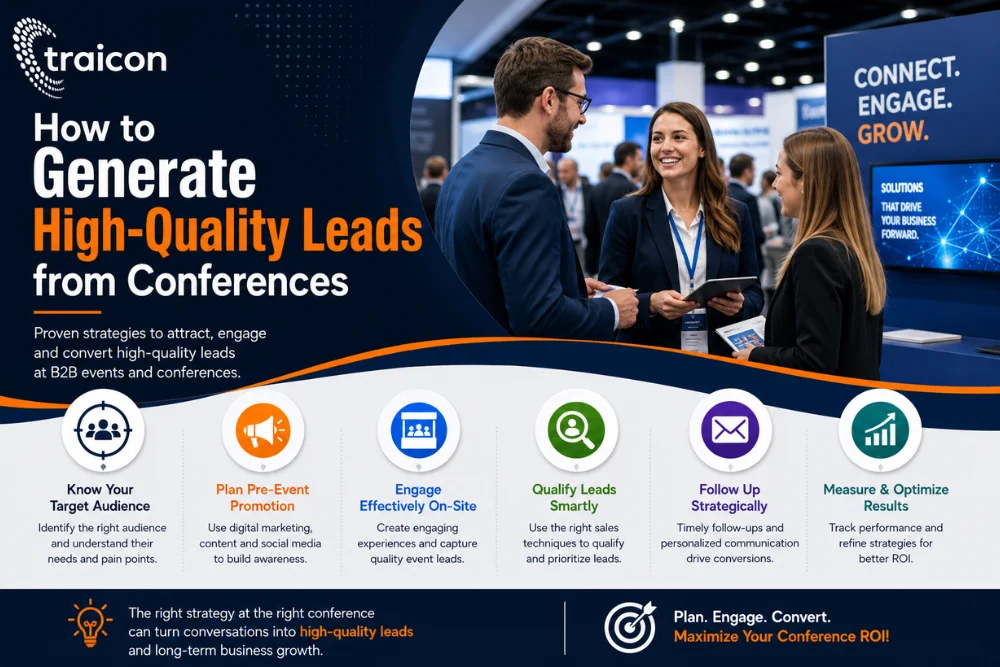
Once you decide to attend, prepare in advance. Set a target for the number of people you want to meet, identify important sessions, research companies and speakers, and schedule meetings where possible.
Do not focus only on collecting business cards or adding contacts on professional networking platforms. Focus on creating relevant and genuine relationships. A meaningful conversation with the right person can be more valuable than dozens of superficial connections.
Build Relationships After the Event
Your conference experience should not end when the event closes. Follow up with the people you meet through email or professional networking platforms. A simple personalized message referencing your conversation can help build a lasting business relationship.
For promising business contacts, consider sharing a relevant resource, scheduling a follow-up meeting, or continuing the conversation around a specific opportunity discussed during the conference. Consistent follow-up is what turns conference networking into long-term business value.
Conclusion
Choosing the right business conference to attend starts with understanding your professional and business goals. Consider the audience, speakers, topics, networking opportunities, location, format, and overall business value before making your decision.
Whether it is a specialized business meeting, a regional networking event, a corporate event, an international conference, or a major world conference, the best event is one that aligns with your objectives and provides meaningful opportunities to connect with the right people.
With the right research, preparation, and follow-up strategy, every conference can become an opportunity to build valuable connections, gain industry knowledge, discover new business opportunities, and support long-term professional and business growth.





 Chat on WhatsApp